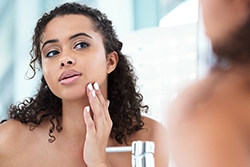
Sensitive skin can feel frustrating and unpredictable. Your skin may sting after applying a product, become red after a warm shower, itch without an obvious reason, or react to skincare that once felt harmless. For some patients, sensitivity is temporary. For others, it is a sign of an underlying skin condition that needs professional care.
Patients in Newport Beach and Beverly Hills often seek dermatology care for persistent redness, dryness, burning, itching, rashes, or frequent reactions to skincare products. Although sensitive skin is common, it is not a diagnosis by itself. It can be related to a weakened skin barrier, environmental triggers, allergies eczema, rosacea, or another dermatologic condition.
At Pure Dermatology Cosmetic & Hair Center, we can evaluate your symptoms, identify possible triggers, and create a personalized sensitive skin treatment plan. The goal is to calm irritation, protect the skin barrier, and help you feel more comfortable in your skin.
What Does Sensitive Skin Feel Like?
Sensitive skin may react more easily than expected to products, weather, friction, heat, or other everyday exposures. Symptoms can range from mild dryness to recurring inflammation that affects comfort and confidence.
Common sensitive skin symptoms include redness, itching, burning, stinging, tightness, flaking, dryness, rough patches, and rashes. Some patients notice breakouts or acne-like bumps, while others experience flushing, especially on the cheeks, nose, chin, or forehead.
The appearance of sensitive skin can vary by person and skin tone. In some patients, irritation looks visibly red. In others, it may appear darker, ashy, swollen, dry, or uneven in texture.
What Causes Sensitive Skin?
Sensitive skin often develops when the skin’s protective barrier is weakened. A healthy skin barrier helps keep moisture in while protecting the skin from irritants, allergens, and environmental stressors. When that barrier is compromised, skin may become dry, reactive, and more prone to inflammation.
Harsh cleansers, over-exfoliation, fragranced products, retinoids, acids, and frequent use of strong acne products can irritate the skin. Sun exposure, heat, dry air, stress, and changes in temperature may also trigger sensitivity.
In some cases, sensitive skin is related to an underlying condition. Eczema can cause dry, itchy, inflamed patches. Rosacea may lead to facial redness, flushing, visible blood vessels, burning, and acne-like bumps. Contact dermatitis may occur after exposure to an ingredient, metal, fabric, cosmetic, or household product that irritates the skin or causes an allergic reaction.
Skin Conditions That Can Cause Sensitivity
Eczema and Dry, Itchy Skin
Eczema, also called atopic dermatitis, is an inflammatory skin condition that can cause itching, dryness, scaling, redness, and recurrent rashes. It may affect the face, hands, arms, legs, or other areas of the body.
Eczema flare-ups can be influenced by dry air, stress, heat, sweating, harsh soaps, fragrances, allergens, and irritants. Patients with eczema may benefit from a dermatologist-guided plan that focuses on reducing inflammation and repairing the skin barrier.
Rosacea and Facial Redness
Rosacea is a chronic inflammatory condition that commonly affects the central face. It may cause flushing, persistent redness, visible blood vessels, burning, sensitivity, and acne-like bumps.
Common rosacea triggers include sun exposure, heat, alcohol, spicy foods, stress, and certain skincare products. Because rosacea can resemble acne or simple sensitive skin, a professional evaluation is important before starting treatment.
Contact Dermatitis
Contact dermatitis occurs when the skin reacts to something it touches. Irritant contact dermatitis can develop after repeated exposure to strong soaps, detergents, acids, or other irritating ingredients. Allergic contact dermatitis occurs when the immune system reacts to a specific allergen.
A dermatologist can help identify possible triggers and recommend a safer skincare and lifestyle routine.
Acne and Over-Treated Skin
Acne-prone skin can become sensitive when products are used too frequently or combined without professional guidance. Strong cleansers, scrubs, benzoyl peroxide, retinoids, and exfoliating acids may cause dryness and irritation, especially when the skin barrier is already compromised.
The right acne treatment should control breakouts without unnecessarily irritating the skin.
How Is Sensitive Skin Diagnosed?
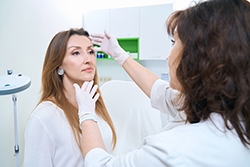
A sensitive skin consultation begins with a careful discussion about your symptoms, skincare routine, medical history, medications, and possible triggers. Your dermatologist will examine the affected areas and determine whether your symptoms may be caused by eczema, rosacea, contact dermatitis, acne, psoriasis, , an infection, or another condition.
In some cases, further testing may be considered. This may include a skin scraping, culture, biopsy, or allergy-related evaluation when appropriate. An accurate diagnosis is important because treatments vary depending on the cause of irritation.
Sensitive Skin Treatment Options
Gentle Skincare and Skin Barrier Repair
For many patients, the first step is simplifying the skincare routine. A dermatologist may recommend gentle, fragrance-free cleansers, barrier-supporting moisturizers, and broad-spectrum sunscreen appropriate for sensitive skin. Our esthetician services can also support a barrier-friendly skincare routine between visits.
Barrier repair helps reduce moisture loss and can make the skin less reactive over time. Patients may also be advised to pause irritating products, including harsh scrubs, strong acids, or products that cause burning or stinging.
Prescription Topical Treatments
When sensitivity is related to eczema, rosacea, or inflammation, prescription creams, gels, or ointments may be recommended as part of our medical dermatology care. These treatments can help reduce redness, itching, inflammation, and discomfort.
The right topical treatment depends on the diagnosis and treatment area. Your dermatologist will explain how and when to use it safely.
Oral or Advanced Medical Treatments
Patients with more persistent or severe rosacea, eczema, or inflammatory skin conditions may benefit from oral medications or other advanced therapies. These options are considered when topical treatment alone does not provide adequate relief.
Treatment is personalized based on your symptoms, health history, and response to previous care.
Laser and Light Treatments for Redness
For selected patients with rosacea-related redness or visible blood vessels, laser and light-based treatments like Excel V® may help improve the appearance of redness and create a more even complexion. These treatments should be performed only after the skin has been properly evaluated.
How to Care for Sensitive Skin at Home
A simple, consistent routine is often better than using many active products. Wash with lukewarm not hot water, use a mild cleanser, and apply moisturizer while the skin is still slightly damp. Broad-spectrum sunscreen should be worn daily, even on cloudy days.
Avoid introducing multiple new products at once. If you want to try a new skincare product, test it on a small area first. Fragrance, alcohol-based products, abrasive scrubs, and frequent exfoliation may worsen sensitivity for some people.
Stress, heat, sun exposure, and certain foods may trigger redness or flares in patients with rosacea or eczema. Tracking your symptoms can help identify patterns to discuss with your dermatologist.
When Should You See a Dermatologist for Sensitive Skin?
You should schedule an appointment with a sensitive skin dermatologist in Newport Beach if symptoms are persistent, painful, spreading, or interfering with sleep or daily life. Professional care is also important when over-the-counter products are not helping, when a rash continues to return, or when redness and irritation worsen.
Seek prompt medical care for a rapidly spreading rash, facial swelling, trouble breathing, blistering, signs of infection, fever, or severe pain.
Why Choose Pure Dermatology for Sensitive Skin Treatment?
Sensitive skin needs thoughtful care—not trial and error. At Pure Dermatology Cosmetic & Hair Center, patients receive an individualized evaluation for skin concerns such as eczema, rosacea, chronic dryness, rashes, acne, and irritation.
Treatment plans may include medical therapy, skincare guidance, barrier repair, trigger management, and appropriate laser or light treatments when indicated. The focus is on improving skin comfort, protecting long-term skin health, and helping patients feel confident in their skin.
Sensitive Skin Dermatologist Serving Newport Beach & Beverly Hills
If your skin is frequently red, dry, itchy, reactive, or uncomfortable, you do not have to manage it alone. A dermatologist can help identify the cause of your symptoms and recommend a plan that is appropriate for your skin.
Pure Dermatology Cosmetic & Hair Center provides medical dermatology care for patients seeking sensitive skin treatment in Newport Beach, Beverly Hills, and surrounding Southern California communities.
Request an Appointment or contact our office today to schedule your consultation.
Frequently Asked Questions
Q.Why is my skin suddenly so sensitive?
Sudden sensitivity may be related to a new skincare product, over-exfoliation, weather changes, stress, sun exposure, or an underlying condition such as eczema, rosacea, or contact dermatitis. A dermatologist can help identify the cause.
Q.Can sensitive skin be cured?
Sensitive skin can often be managed successfully. The best approach is to identify triggers, protect the skin barrier, use appropriate skincare, and treat any underlying medical condition.
Q. Is sensitive skin the same as rosacea?
No. Rosacea is a chronic inflammatory skin condition that can cause sensitivity, redness, flushing, and bumps. However, not all sensitive skin is rosacea.
Q. What products should I avoid if I have sensitive skin?
Many patients do better when they avoid fragranced products, harsh scrubs, strong acids, alcohol-based toners, and products that cause burning or stinging. Your dermatologist can recommend products appropriate for your skin.
Q. Can a dermatologist help with sensitive skin?
Yes. A dermatologist can determine whether your symptoms are caused by eczema, rosacea, contact dermatitis, acne, or another concern and create a personalized treatment plan.