
You notice it in the rearview mirror on a bright Newport Beach afternoon: a brown spot on your cheek that was not there last year, or a shadow along your upper lip that makeup no longer hides. Dark spots rarely appear for one simple reason, and that is exactly why a single cream so often disappoints. Here is how each common type forms and which treatment tends to match it.
What Is Actually Happening When a Dark Spot Forms
Every dark spot starts with melanin, the pigment your skin makes to protect itself. When certain cells produce more melanin than the skin around them, that extra pigment collects in one area and shows up as a flat brown, tan or gray patch.1 What differs from spot to spot is the trigger and how deep the pigment sits, and those two details shape how it should be treated.
Four Common Causes of Dark Spots, and the Treatments That Fit Them
Sun Spots From Years of UV Exposure
Sun spots tend to show up on your face, hands, shoulders and chest, the places that catch the most light during beach days, harbor cruises and everyday driving around Orange County. They are usually well defined, and light and laser options are often a strong match. IPL photofacial treatment targets brown spots and redness from photo damage, and Clear + Brilliant and Permea laser sessions address pigmentation along with overall tone and texture.
Melasma Linked to Hormones and Heat
Melasma looks different. It usually appears as larger, symmetrical patches across the cheeks, forehead, nose or upper lip, and it is closely tied to hormonal shifts such as pregnancy as well as sun and heat exposure.2 Melasma can fade with treatment, yet it can also return, especially after time outdoors without sun protection.2 Because aggressive heat can sometimes make it worse, a gentler, pigment suppressing approach is often preferred. The Cosmelan depigmentation mask is designed for melasma and stubborn pigmentation and is typically repeated about once a year.
Marks Left Behind After Acne or Irritation
When a breakout, scratch or rash heals, it can leave a flat dark mark known as post inflammatory hyperpigmentation. These marks are especially common in medium and deeper skin tones, and the AAD notes that some treatments can irritate darker skin and create new discoloration if they are not chosen carefully.3 Calming the underlying acne comes first, since every new breakout can leave another mark. Superficial options such as a glycolic peel may then help fade what remains by encouraging steady skin renewal.
Uneven Tone That Comes With Age and Texture Changes
Sometimes dark spots travel with rough texture, enlarged pores and fine lines, so treating pigment alone may leave you unsatisfied. Fractional resurfacing works by creating tiny treatment zones that prompt fresh, more even skin to replace damaged skin.4 Our 1540 fractionated laser treats pigmentation, melasma and texture concerns together, though most patients need a series of sessions for the best improvement.
Why the Best Dark Spot Treatment in Newport Beach Starts With a Diagnosis
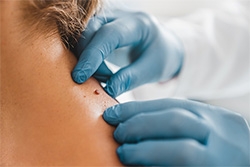
It is common to have more than one type of pigment at the same time, such as sun spots on your cheekbones and melasma above your lip. Treating both the same way may help one and aggravate the other. Some spots also deserve a closer medical look, which is why a skin cancer screening is worth pairing with any cosmetic plan if a spot is new, changing or irregular.
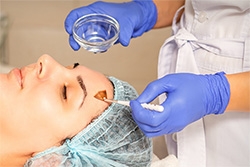
During a consultation for dark spot treatment, we look at the pattern, depth and likely cause of your pigment along with your skin tone, history and schedule. From there, you may be offered one treatment or a combination that addresses each type of spot on its own terms.
Protecting Your Results Under the Southern California Sun
Whatever treatment you choose, daily protection is what keeps new spots from forming. The AAD recommends a broad spectrum, water resistant sunscreen with SPF 30 or higher,5 and a tinted formula with iron oxide may add protection against visible light, which can also darken spots.3 Hats, shade and reapplying after a swim all help results last.
Frequently Asked Questions
Why do dark spots keep coming back after you treat them?
Dark spots often return because the original trigger is still active. Ongoing sun exposure, heat and hormonal changes can restart melanin overproduction, which is why melasma in particular may need maintenance and consistent sun protection.2
Which dark spot treatment in Newport Beach works best for sun spots?
Light and laser options often work well for sun spots in Newport Beach. IPL targets brown spots from photo damage, while Clear + Brilliant and Permea improve pigmentation along with tone and texture, and we help you choose based on your skin.
Can you treat melasma with a laser?
Some lasers may help melasma, but the approach needs to be careful. Heat can aggravate melasma in some people, so gentler options such as a depigmentation mask or a carefully planned laser series are often considered first.
Are dark spots on your face dangerous?
Most dark spots are harmless, but not all. A spot that is new, changing or different from your other spots should be checked by a dermatologist before any cosmetic treatment.
How long does it take for dark spots to fade with treatment?
Timing depends on the cause, depth and treatment. Many people see gradual improvement over a series, and IPL and laser plans often involve several sessions.
Start Your Dark Spot Plan in Newport Beach
Dark spots have different causes, and the treatment that works best is the one matched to your specific pigment and skin. If you are ready to find out which type you have, you can schedule a consultation at our Newport Beach office and we will help you build a plan that fits your skin and your routine.
References
- Cleveland Clinic. Hyperpigmentation. Cleveland Clinic Health Library. 2026. Hyperpigmentation
- American Academy of Dermatology. Melasma: Overview. AAD Public Education. Accessed 2026. Melasma: Overview
- American Academy of Dermatology. How to fade dark spots in darker skin tones. AAD Public Education. Accessed 2026. How to Fade Dark Spots in Darker Skin Tones
- Cleveland Clinic. Laser Skin Resurfacing. Cleveland Clinic Health Library. 2026. Laser Skin Resurfacing
- American Academy of Dermatology. How to select a sunscreen. AAD Public Education. Accessed 2026. How to Select a Sunscreen
Neda Mehr, MD is a board-certified dermatologist and founder of Pure Dermatology Cosmetic & Hair Center, one of the largest and most comprehensive privately owned dermatology and hair centers in the nation. Dr. Neda Mehr has been awarded “Top Cosmetic Dermatologist“ in Newport Beach, specializing in all aspects of the skin and hair for both male and female patients. Dr. Mehr is known for being a “functional dermatologist” and looking at a patient as a whole person rather than a problem. This role has placed her as a fan favorite and leading expert in acne and hair loss, and she can be seen regularly in Allure, Cosmopolitan, NBC California Live and countless other platforms sharing her expert knowledge to help patients look and feel their very best!