
A brighter complexion is not simply about making the skin lighter. Healthy-looking skin usually has a more even tone, smoother texture, and a natural appearance with less noticeable discoloration. Sun exposure, acne marks, melasma, age-related changes, and uneven pigmentation can all affect how radiant the skin looks.
For people considering skin brightening treatments in Newport Beach and Beverly Hills, understanding the reason behind discoloration is an important first step. Treatment options can be selected according to individual skin concerns, treatment goals, and overall skin health.
What Can Make Skin Look Uneven or Dull?
Skin tone can change for many reasons. Some people notice dark spots after acne, while others develop pigmentation after years of sun exposure. Hormonal changes can also contribute to conditions such as melasma.
- Sun spots and age spots
- Melasma
- Post-acne discoloration
- Uneven skin tone
- Rough or dull texture
- Redness and visible pigmentation
- Early signs of photoaging
- Changes in skin appearance associated with aging
Because these concerns can have different causes, the same treatment may not be appropriate for everyone. A dermatology consultation can help identify what is contributing to the uneven appearance before treatment is selected.
What Does "Skin Brightening" Really Mean?
Skin brightening is generally focused on creating a more even, refreshed, and radiant complexion rather than changing a person's natural skin color.
Depending on the underlying concern, treatment may focus on reducing the appearance of excess pigmentation, improving surface texture, encouraging skin renewal, or addressing signs of sun damage.
Cosmetic dermatology services can include treatments designed to address pigmentation,acne scars, skin rejuvenation, and other concerns that can affect the overall appearance of the complexion.
Which Skin Brightening Treatments Are Available?
There is no single "best" skin brightening treatment for everyone. Several cosmetic options can be selected according to the patient's specific concerns.
Clear + Brilliant® / Permea: For a Refreshed Complexion
Clear + Brilliant and Permea are laser-based treatments that can be used to improve the appearance of skin tone and texture. These treatments may be considered for patients who want a refreshed complexion while addressing concerns related to pigmentation and early signs of skin aging.
IPL Photofacial: For Sun-Related Discoloration
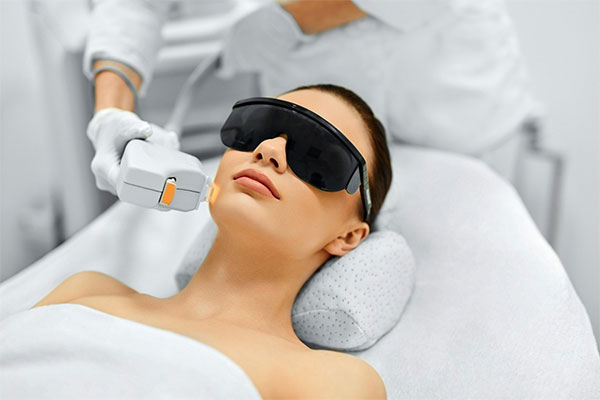
IPL, or Intense Pulsed Light, uses light energy to target certain types of pigmentation and redness. It may be considered for patients whose complexion has been affected by sun exposure, brown spots, or visible redness.
Chemical Peels: For Surface Renewal
Chemical peels work by removing damaged outer layers of skin to encourage surface renewal. Depending on the type and strength selected, a peel may help improve dullness, uneven texture, and certain pigmentation concerns.
Cosmelan®: For Persistent Pigmentation
Cosmelan is a professional pigmentation treatment designed to address the appearance of stubborn discoloration, including concerns associated with melasma. Treatment selection should be based on the patient's skin condition and dermatologist's assessment.
Fraxel®: For Texture and Photoaging
Fraxel is a fractional laser treatment that can be used to improve the appearance of uneven texture, pigmentation, acne scars, and signs of sun-related aging in appropriate patients.
These treatments work in different ways, so a dermatologist should determine which option or combination of treatments best matches the patient's skin.
How Does a Dermatologist Decide Which Treatment You Need?
Choosing a treatment should involve more than simply selecting the procedure that is currently popular. A dermatologist may consider the type of pigmentation, skin texture, previous treatments, sun exposure, acne history, and other factors before developing a plan.
During a consultation, your dermatologist may evaluate:
- The location and appearance of discoloration
- Skin texture and overall condition
- History of acne or inflammation
- Previous cosmetic treatments
- Sun exposure and skincare habits
- Your desired outcome
- Your tolerance for downtime
This individualized approach can help reduce the risk of using an inappropriate treatment for a particular skin concern.
Can Skin Brightening Treatments Help With Dark Spots?
Dark spots can develop from several causes, including sun exposure, hormonal changes, inflammation, and previous acne. Treatment therefore needs to address the underlying type of pigmentation rather than simply exfoliating the skin.
Multiple approaches for dark spots and pigmentation may include laser and light-based procedures, topical treatments, and chemical peels. The appropriate option depends on the individual patient's skin and the type of discoloration being treated.
A professional evaluation is particularly important when pigmentation is persistent, spreading, or repeatedly returning.
What About Melasma and Hormonal Pigmentation?
Melasma can be challenging because it may be influenced by hormones, sunlight, heat, and other triggers. It can appear as brown or grayish patches, commonly on areas such as the cheeks, forehead, nose, and upper lip.
Because melasma can behave differently from ordinary sun spots, aggressive treatment is not necessarily the best approach. A dermatologist may recommend a combination of professional treatments, such as Cosmelan, and an ongoing skincare and sun-protection routine.
Patients with melasma should discuss their expectations carefully with a dermatologist because maintaining improvement may require continued management.
Can Chemical Peels Improve a Dull Complexion?
Yes, a professionally selected chemical peel can be useful when dullness is associated with surface buildup, uneven texture, or certain forms of pigmentation.
Glycolic peels, for example, exfoliate the surface of the skin and may help improve the appearance of texture and radiance in appropriate patients.
However, stronger treatment does not automatically mean better results. The type and concentration of a peel should be selected according to the patient's skin condition and treatment goals.
How Important Is Sun Protection After Skin Brightening Treatment?
Sun protection is an essential part of maintaining an even-looking complexion. UV exposure can contribute to pigmentation and may make certain discoloration concerns more difficult to manage.
- Broad-spectrum sunscreen
- Limiting prolonged direct sun exposure
- Reapplying sunscreen as directed
- Following the dermatologist's post-treatment instructions
- Avoiding unnecessary tanning
Consistent sun protection can also help support the results of professional pigmentation and rejuvenation treatments, along with regular visits to our esthetician services.
How Quickly Can You See Results?
The timeline varies depending on the treatment and the condition being addressed. Some patients may notice an initial improvement in skin freshness or texture relatively soon, while pigmentation and more established signs of photoaging may require multiple sessions.
Your dermatologist can explain what type of improvement is realistic, how many treatments may be recommended, and whether maintenance sessions could be beneficial.
It is important to remember that "fast" does not necessarily mean "better." A gradual treatment plan may sometimes provide a more appropriate and natural-looking result.
Why Personalized Skin Brightening Matters in Newport Beach and Beverly Hills
People often use the term "brightening" to describe several different concerns. One patient may want to reduce sun spots, another may be concerned about acne marks, and another may want to improve rough texture and early signs of aging.
That is why personalized cosmetic dermatology can be more effective than following a generic treatment trend. A thorough assessment allows treatment to be tailored to the patient's specific pigmentation, skin texture, history, and aesthetic goals.
When Should You See a Dermatologist for Uneven Skin Tone?
Consider scheduling a dermatology consultation if you have persistent pigmentation or if your complexion has changed despite maintaining a consistent skincare routine.
- Dark spots that continue to become more noticeable
- Recurring melasma
- Pigmentation after acne
- Sun-related discoloration
- Uneven skin texture
- Persistent dullness
- Acne scars
- Signs of photoaging
A dermatologist can help distinguish between different causes and recommend an appropriate treatment strategy. Request an appointment to get started.
Choosing the Right Skin Brightening Treatment
Skin brightening is not a single procedure. The most appropriate treatment depends on whether the primary concern is pigmentation, sun damage, acne-related discoloration, uneven texture, melasma, or signs of photoaging.
Options such as chemical peels, IPL, Clear + Brilliant/Permea, Fraxel, and Cosmelan may each have a role for appropriately selected patients. A personalized dermatologic evaluation can help determine which approach is best suited to your skin.
For patients searching for skin brightening in Newport Beach and Beverly Hills, understanding the cause of uneven tone is an important first step toward achieving a more even, refreshed-looking complexion.
Frequently Asked Questions
- What is the best skin brightening treatment?
There is no single treatment that is best for everyone. Depending on the concern, options may include chemical peels, IPL, Clear + Brilliant/Permea, Fraxel, Cosmelan, or other dermatologic treatments. - Can skin brightening treatments remove dark spots?
Some professional treatments can reduce the appearance of certain types of pigmentation. The appropriate treatment depends on what is causing the dark spots and the condition of the patient's skin. - Is IPL suitable for everyone?
No. IPL is not appropriate for every patient or every type of pigmentation. A dermatologist should evaluate your skin and determine whether IPL is a suitable option. - How many skin brightening treatments will I need?
The number of treatments depends on the procedure, severity of pigmentation, skin condition, and desired outcome. Your dermatologist can recommend an individualized treatment schedule. - Can I maintain brighter-looking skin at home?
Yes. Daily sun protection, a consistent skincare routine, and following your dermatologist's recommendations can help maintain a more even-looking complexion and support professional treatment results.