If your skin looks dull, uneven, or rough in texture, a glycolic peel may be the refresh you’ve been looking for. This popular in-office treatment gently exfoliates the outermost layers of skin to reveal a brighter, smoother, and more even complexion underneath. For patients seeking professional glycolic peel treatment in Newport Beach, this option offers noticeable improvement with minimal downtime.
What Is a Glycolic Peel?
A glycolic peel is a type of chemical peel that uses glycolic acid, an alpha hydroxy acid (AHA) derived from sugar cane. Because glycolic acid has a small molecular size, it penetrates the skin effectively to loosen dead skin cells and stimulate cellular turnover.
Unlike deeper peels that require significant recovery time, glycolic peels are typically superficial to medium-depth treatments. They are customizable based on your skin type, concerns, and tolerance, making them suitable for many patients looking to enhance overall skin clarity and texture.
What Skin Concerns Can a Glycolic Peel Address?
Glycolic peel treatment in Newport Beach is commonly recommended for patients experiencing:
- Dull or tired-looking skin
- Uneven skin tone
- Mild hyperpigmentation and dark spots
- Fine lines and early signs of aging
- Acne and clogged pores
- Rough or bumpy skin texture
By encouraging exfoliation and collagen stimulation, glycolic acid helps create a smoother surface while improving brightness and tone over time.
What to Expect During a Glycolic Peel Treatment
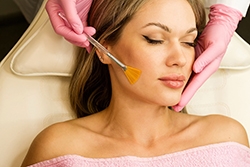
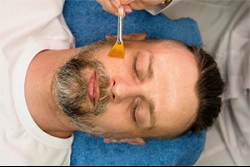
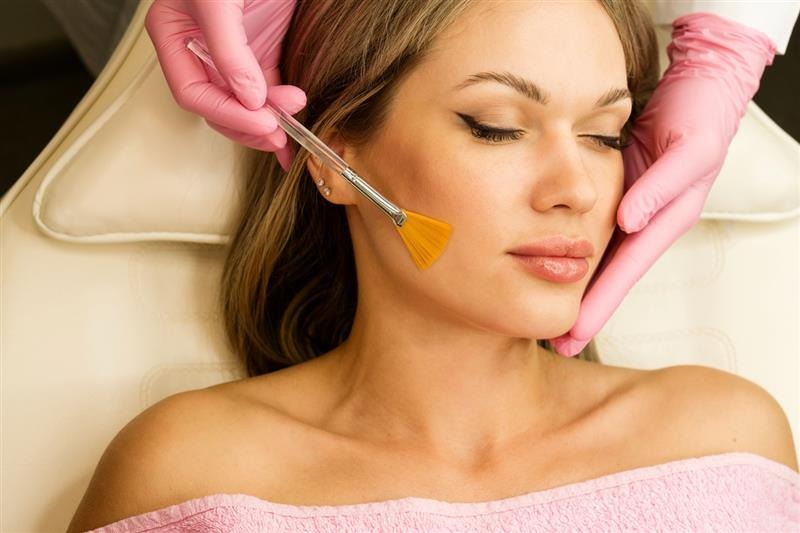
Your appointment typically begins with a skin evaluation to determine the appropriate strength of glycolic acid. After cleansing the skin, the peel solution is applied and left on for a carefully monitored amount of time. You may feel mild tingling or warmth, which is normal.
Once the solution is neutralized and removed, a soothing serum and sunscreen are applied. The procedure itself usually takes about 30 minutes, making it a convenient lunchtime treatment.
Recovery and Results
Most patients experience mild redness for a few hours following treatment. Light flaking or peeling may occur over the next several days as the skin renews itself. Because glycolic peels are relatively gentle, downtime is minimal compared to deeper chemical peels.
Many patients notice brighter, smoother skin after just one session. However, a series of treatments spaced a few weeks apart often produces the best and most lasting results, particularly for pigmentation or acne concerns.
Why Choose a Professional Glycolic Peel in Newport Beach?
While at-home exfoliating products are widely available, professional glycolic peel treatment offers higher-strength formulations applied safely under medical supervision. This allows for more effective results while minimizing the risk of irritation or complications.
An experienced provider can tailor the peel to your unique skin type and goals, adjust strength over time, and combine treatments with other skin rejuvenation options when appropriate.
If you’re looking for a non-invasive way to restore glow and refine your complexion, glycolic peel treatment in Newport Beach can help you achieve brighter, smoother skin with minimal interruption to your routine.
Frequently Asked Questions (FAQs) about Glycolic Peels
1. How often should I get a glycolic peel for best results?
Most patients benefit from a series of treatments spaced about 3–4 weeks apart. Depending on your skin concerns, such as acne, fine lines, or hyperpigmentation, your provider may recommend 3 to 6 sessions followed by maintenance treatments every few months.
2. Is a glycolic peel safe for sensitive skin?
Glycolic peels can be safe for sensitive skin when properly customized. Lower concentrations and shorter application times help minimize irritation. A professional skin evaluation ensures the treatment is appropriate for your skin type and concerns.
3. Will my skin visibly peel after treatment?
Not everyone experiences noticeable peeling. Some patients have light flaking, while others may only see mild redness and increased brightness. The degree of peeling depends on the strength of the peel and your individual skin response.
4. Can a glycolic peel help with acne scars and dark spots?
Yes. Glycolic acid promotes exfoliation and cell turnover, which can gradually fade mild acne scars and reduce the appearance of dark spots. A series of treatments typically provides more significant and lasting improvement.
5. What should I avoid after a glycolic peel?
After treatment, avoid direct sun exposure, harsh skincare products (like retinoids or exfoliants), and excessive heat for several days. Wearing broad-spectrum sunscreen daily is essential to protect your newly refreshed skin and maintain your results.
Authorship: Neda Mehr, MD is a board-certified dermatologist in Newport Beach and founder of Pure Dermatology Cosmetic & Hair Center. Dr. Mehr specializes in advanced skin rejuvenation treatments, including customized chemical peels, laser resurfacing, and targeted therapies for acne, hyperpigmentation, and early signs of aging. Recognized as a Top Cosmetic Dermatologist in Newport Beach and an advisor to the Hoag Melanoma & Skin Cancer Center, she combines evidence-based dermatology with cutting-edge aesthetic technology to help patients achieve brighter, smoother, and naturally radiant skin throughout Orange County.