Achieving brighter, smoother, more even-toned skin does not always require lasers or injectables. For many patients, a professionally administered glycolic peel provides meaningful improvement in skin texture, pigmentation, and overall radiance with minimal downtime.
At Pure Dermatology Cosmetic & Hair Center in Newport Beach, glycolic peels remain one of the most requested cosmetic treatments because they offer visible results while fitting easily into busy lifestyles. Whether addressing sun damage, dullness, acne marks, or early aging changes, glycolic peels provide an effective option for skin rejuvenation.
What Is a Glycolic Peel?
A glycolic peel is a chemical peel that uses glycolic acid, an alpha-hydroxy acid (AHA) derived from sugarcane, to exfoliate the outer layers of skin.
Because glycolic acid has a small molecular size, it penetrates effectively and helps loosen dead skin cells, accelerate cell turnover, and stimulate collagen production. The result is brighter skin with improved tone and texture.
Medical-grade glycolic peels performed by a board-certified dermatologist are significantly stronger and more controlled than over-the-counter products, allowing for safer and more effective treatment.
What Skin Concerns Can Glycolic Peels Treat?
Glycolic peels are highly versatile and commonly used to address:
- Dull or uneven skin tone caused by sun exposure and dead skin buildup
- Fine lines and early aging changes through collagen stimulation
- Post-acne marks and mild hyperpigmentation
- Sun spots and age spots related to cumulative UV exposure
- Enlarged pores and rough texture
- Mild acne and blackheads by reducing pore congestion
- Early melasma as part of a dermatologist-supervised treatment plan
Because glycolic peels improve both surface exfoliation and deeper skin renewal, they work well as standalone treatments or alongside other cosmetic procedures.
What Happens During a Glycolic Peel?
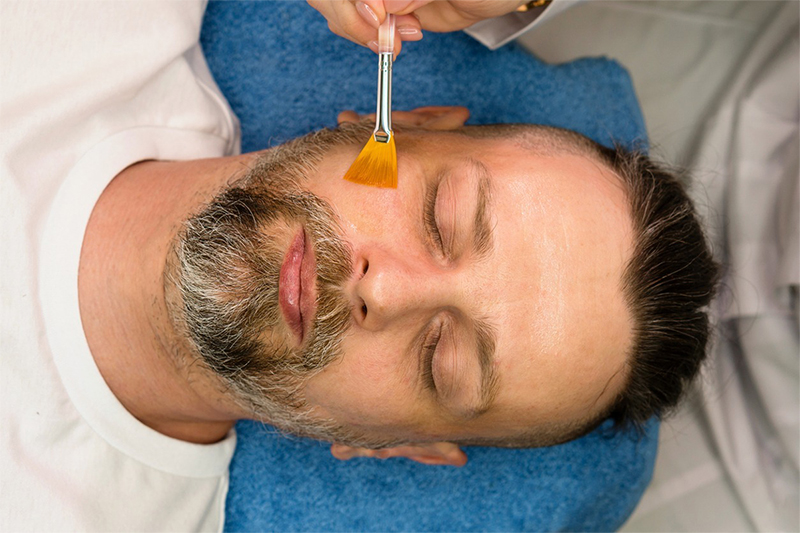
Treatment usually takes about 30–45 minutes. The skin is cleansed before the glycolic solution is applied evenly across the treatment area. Most patients experience mild tingling or warmth during the procedure. Your dermatologist adjusts the peel concentration and application time based on factors such as:
- Skin type and tone
- Sensitivity level
- Existing pigmentation
- Treatment goals
Once complete, the peel is neutralized and removed, followed by soothing products to support recovery. Unlike more invasive procedures, glycolic peels require no injections or sedation.
Recovery and Downtime
One reason glycolic peels remain popular is their limited downtime.
Patients may experience:
- Mild redness for several hours after treatment
- Light flaking or peeling over the next few days
- Temporary sun sensitivity
Most people return to normal activities immediately or the next day. Following aftercare instructions and wearing sunscreen consistently are important for optimal healing.
How Many Treatments Are Needed?
Many patients notice brighter skin after a single session, but the best results generally come from a treatment series. For most individuals, dermatologists recommend three to six treatments spaced approximately two to four weeks apart. Maintenance treatments every four to eight weeks may help preserve improvements over time. Treatment schedules vary depending on skin condition, goals, and response.
Combining Glycolic Peels With Other Treatments
Glycolic peels are often incorporated into broader skin rejuvenation plans. At Pure Dermatology Cosmetic & Hair Center, they may be combined with:
IPL (Intense Pulsed Light): Helps improve pigmentation and vascular irregularities while addressing uneven skin tone.
Clear + Brilliant: Complements glycolic peels by enhancing overall skin brightness and texture.
Medical-grade skincare: Retinoids, antioxidants, and brightening agents help extend treatment benefits at home.
Cosmelan Mask: Often recommended for patients with melasma or more advanced pigmentation concerns.
Your dermatologist will determine whether combination therapy is appropriate for your skin.
The Importance of Sun Protection in Newport Beach
Newport Beach’s sunny climate contributes to premature aging, pigmentation, and ongoing UV damage.
Because glycolic peels remove surface skin layers, the skin becomes temporarily more sensitive after treatment. Daily broad-spectrum SPF 30 or higher is essential to protect results and prevent new discoloration.
Sun protection remains one of the most important long-term strategies for maintaining skin improvements.
Why Choose a Board-Certified Dermatologist?
Although glycolic peels are widely available at spas and aesthetic centers, treatment quality varies significantly.
Peel strength, technique, and patient selection directly affect outcomes. Using an overly aggressive peel or inappropriate protocol may increase the risk of irritation or pigmentation changes.
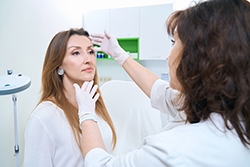
A board-certified dermatologist evaluates skin thoroughly, adjusts treatment strength appropriately, and develops a plan based on skin type and goals.
At Pure Dermatology Cosmetic & Hair Center, each glycolic peel begins with a detailed assessment to ensure treatment safety and effectiveness.
Expected Results
With a personalized treatment series and proper skincare maintenance, glycolic peels may provide:
- Brighter, more radiant skin tone
- Improved texture and smoother skin
- Refined pore appearance
- Reduced fine lines and surface irregularities
- Improvement in acne marks and sun discoloration
- Enhanced absorption of skincare products
Results often build progressively with each session.
Frequently Asked Questions About Glycolic Peel Treatments in Newport Beach
1. How is a medical-grade glycolic peel different from at-home treatments?
Medical-grade glycolic peels use stronger concentrations and are performed under dermatologist supervision, allowing deeper exfoliation with improved safety and precision.
2. Are glycolic peels safe for all skin tones?
Yes, when performed by an experienced board-certified dermatologist. Treatment settings are adjusted carefully to reduce the risk of post-inflammatory pigmentation.
3. How quickly will I see results?
Many patients notice brighter skin within several days. Improvements in texture, pigmentation, and overall tone usually become more noticeable after multiple sessions.
4. Can glycolic peels help treat melasma?
Yes, but usually as part of a larger treatment strategy. Patients with melasma may also benefit from treatments such as Cosmelan, prescription products, and strict sun protection.
5. How should I prepare for treatment?
Patients are generally advised to avoid retinoids and strong exfoliants before treatment. Afterward, gentle skincare, moisturizer, and daily SPF are recommended.
Ready to Refresh Your Skin?
A glycolic peel remains one of the most effective low-downtime options for improving skin clarity, texture, and brightness.
Whether addressing a specific concern or simply restoring a healthy glow, dermatologist-supervised glycolic peels provide a customized approach to skin rejuvenation. Contact our office to set up an appointment.
Authorship:Neda Mehr, MD is a board-certified dermatologist in Newport Beach and founder of Pure Dermatology Cosmetic & Hair Center. Dr. Mehr specializes in advanced skin brightening treatments, laser therapy, and customized solutions for hyperpigmentation, melasma, and uneven skin tone. Recognized as a Top Cosmetic Dermatologist in Newport Beach and an advisor to the Hoag Melanoma & Skin Cancer Center, she combines evidence-based dermatology with the latest aesthetic innovations to deliver safe, natural-looking results for patients throughout Orange County.